Send it
Tell us the airplane and the two airports
The tail number, where it sits, where it is going, and when. Mention open squawks or an expired annual so nothing surprises the pilot, and say whether the maintenance logs are available.

Piston singles and twins moved point to point by a pilot current on type, whether the airplane is headed to a new home base, a buyer, or a shop.
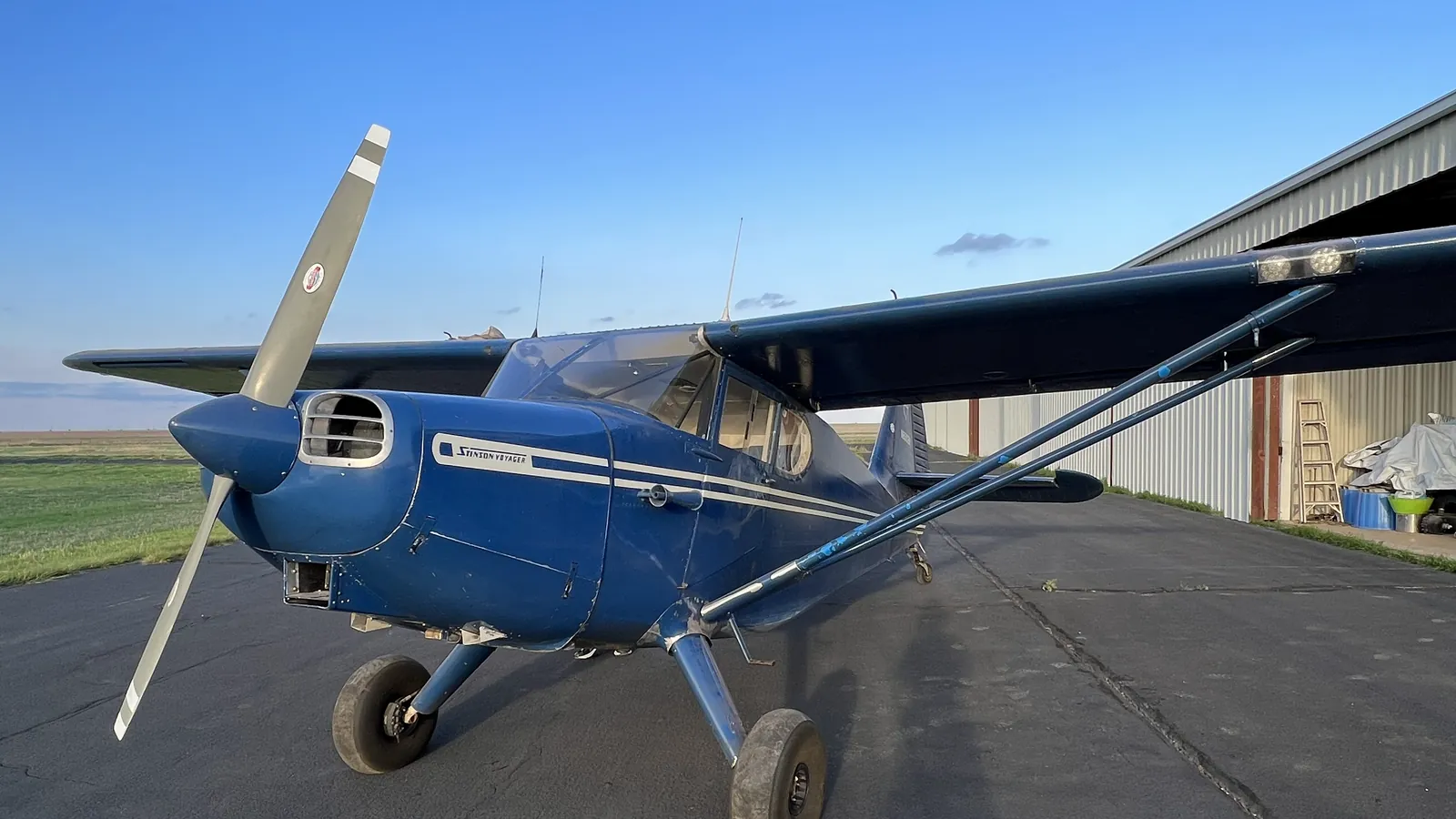
A ferry flight moves an airplane from one airport to another. No passengers, no cargo. The airplane itself is the job.
Owners hire a ferry pilot when they cannot give up the days, are not current in the airplane, or are not yet covered by insurance to fly it.
The tail number, where it sits, where it is going, and when. Mention open squawks or an expired annual so nothing surprises the pilot, and say whether the maintenance logs are available.
A day rate for the days the trip takes, plus fuel stops, airport fees, nights on the road and the pilot's travel to reach the airplane. If a special flight permit is needed, the quote says so.
A walkaround shows condition. The logbooks show airworthiness. The pilot confirms the annual, airworthiness directive compliance, and the required inspections in the records first, because an airplane nobody can establish as airworthy does not fly.
A careful preflight in an airplane that is new to the pilot, including fuel, the certificates and flight manual required aboard, the equipment required for the flight, and a look at anything you flagged.
We do not launch into conditions we would not fly our own aircraft in. A delayed leg is cheaper than a damaged airframe.
Most ferry customers fit one of these situations. If yours is different, send it anyway.
A ferry flight is quoted by the day, not by the flight hour. A day rate covers the pilot for each day the trip takes, and the rate differs between single engine and twin engine airplanes.
On top of that sit the trip's own expenses: fuel for the distance and the engine, landing and handling fees at each stop, lodging and meals on multi-day trips, and the pilot's travel to reach the airplane and get home. Weather is why the day is the unit. A trip held on the ground still costs days. Two trips of the same length can price very differently, which is why every quote starts from your two airports. The full breakdown is in the ferry flight FAQs.
Every ferry flight starts in the paperwork, not the cockpit. The pilot in command carries legal responsibility for the airplane's airworthiness on that flight, so the maintenance records get reviewed before anyone buys an airline ticket. Owners are asked for the logbooks, or clear photographs of the relevant pages, along with the quote request.
In the records, the review covers the annual inspection required by 14 CFR 91.409, along with the 100 hour inspection where the airplane is flown for hire, compliance with applicable airworthiness directives under 14 CFR Part 39, approval for return to service after any recent maintenance under 14 CFR 91.407, the transponder check required every 24 calendar months by 14 CFR 91.413, the emergency locator transmitter and its battery under 14 CFR 91.207, and, for instrument flight, the pitot-static and altimeter checks in 14 CFR 91.411.
At the airplane, the check continues:
It needs to be safe for the flight, and it needs to be legal for the flight, which are related but separate questions. Legal usually means a current annual inspection, current registration, compliance with applicable airworthiness directives, and the required equipment working for the kind of flight planned. If any of that is missing, the airplane may still be able to fly one trip under a special flight permit, provided a mechanic finds it safe for that flight. Safe is the pilot's call at the airplane. A ferry pilot will look closely at fuel contamination, tire condition, oil leaks, control freedom, and anything you mentioned when requesting the quote. Airplanes that have been sitting, or that just came out of heavy maintenance, deserve extra attention. The more you share about the airplane's recent history before the trip, the less likely the pilot finds a surprise on the ramp that delays the departure.
Often, but a long-idle airplane needs a mechanic before it needs a pilot. Engines that sit for months can develop internal corrosion, and fuel left in the tanks can break down or pick up water. Seals dry out, tires flat spot, batteries die, and insects and birds move into pitot tubes, vents and engine cowlings. None of that is visible from a quick walkaround, and all of it matters on a first flight over unfamiliar terrain. The usual path is to have an A&P mechanic inspect the airplane where it sits, address what is needed, and confirm its airworthiness status. If the annual lapsed during storage, that inspection may lead to a special flight permit so the airplane can fly to a shop for the full annual. Tell us how long it has been since the airplane last flew and when the engine was last run, because that history shapes both the plan and the quote.
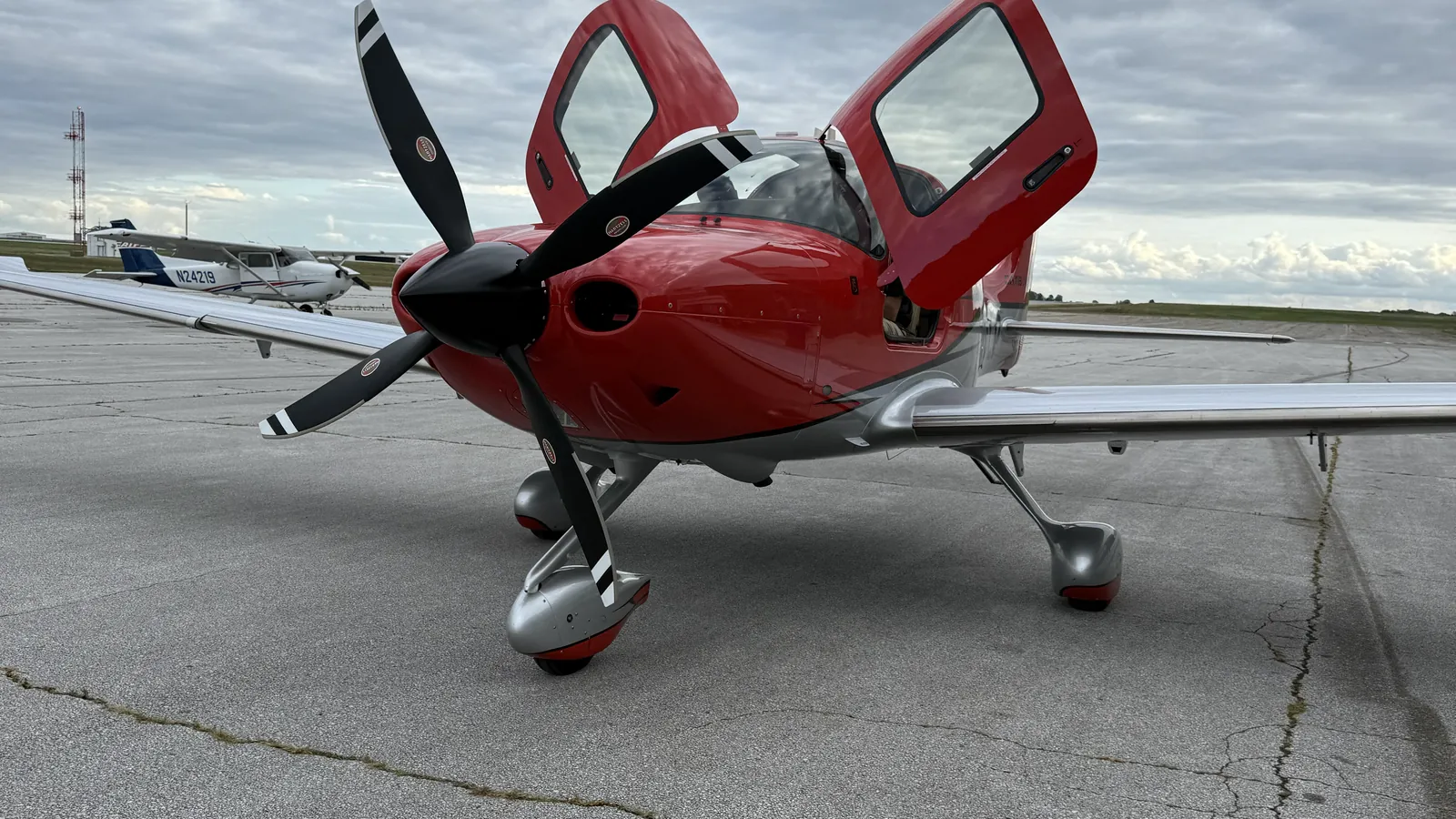
Bought an airplane two states away? It gets flown from the seller's airport to yours.
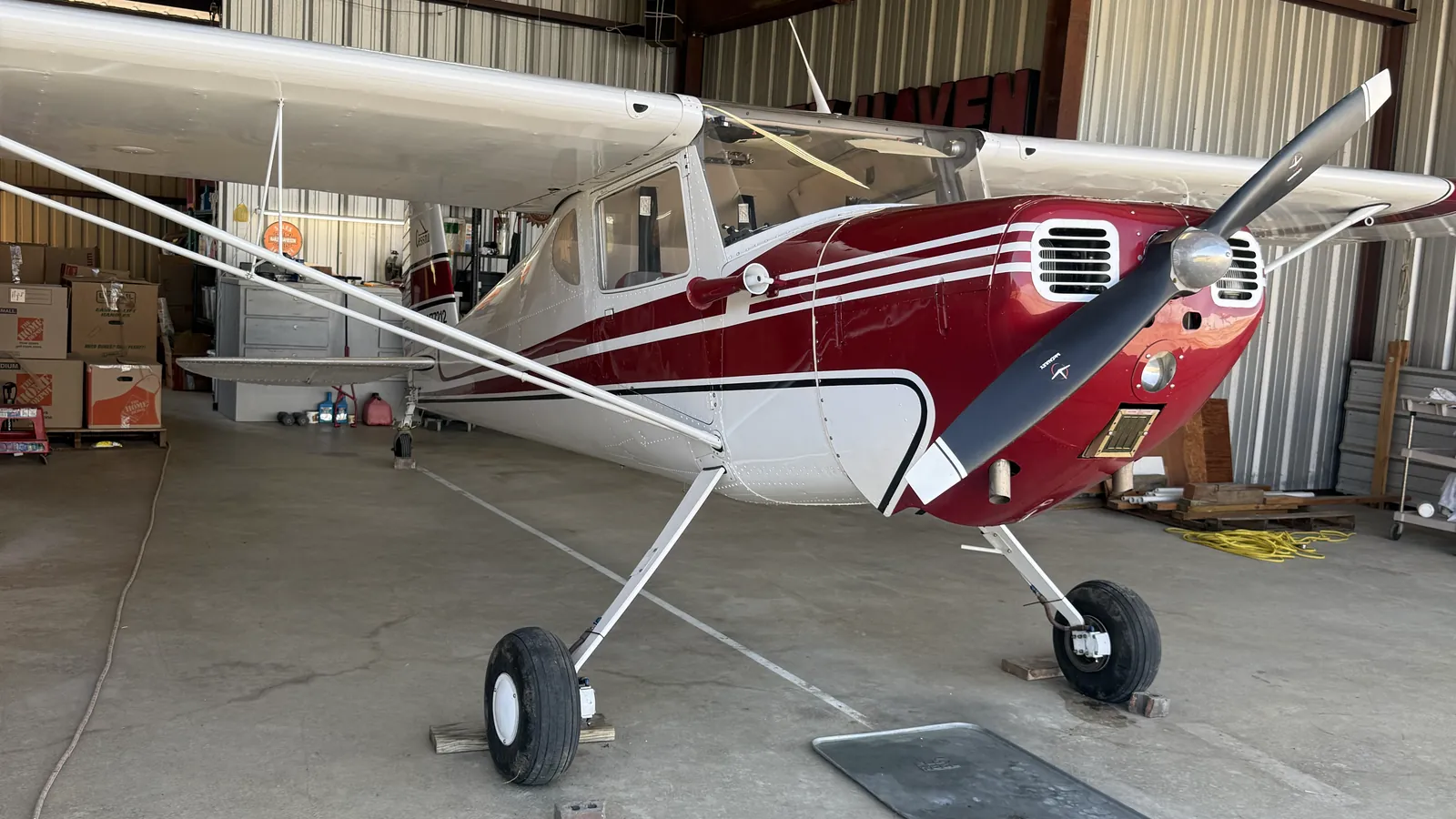
Runs to and from annuals, avionics installs, paint and repair shops, including airplanes flying on a ferry permit.
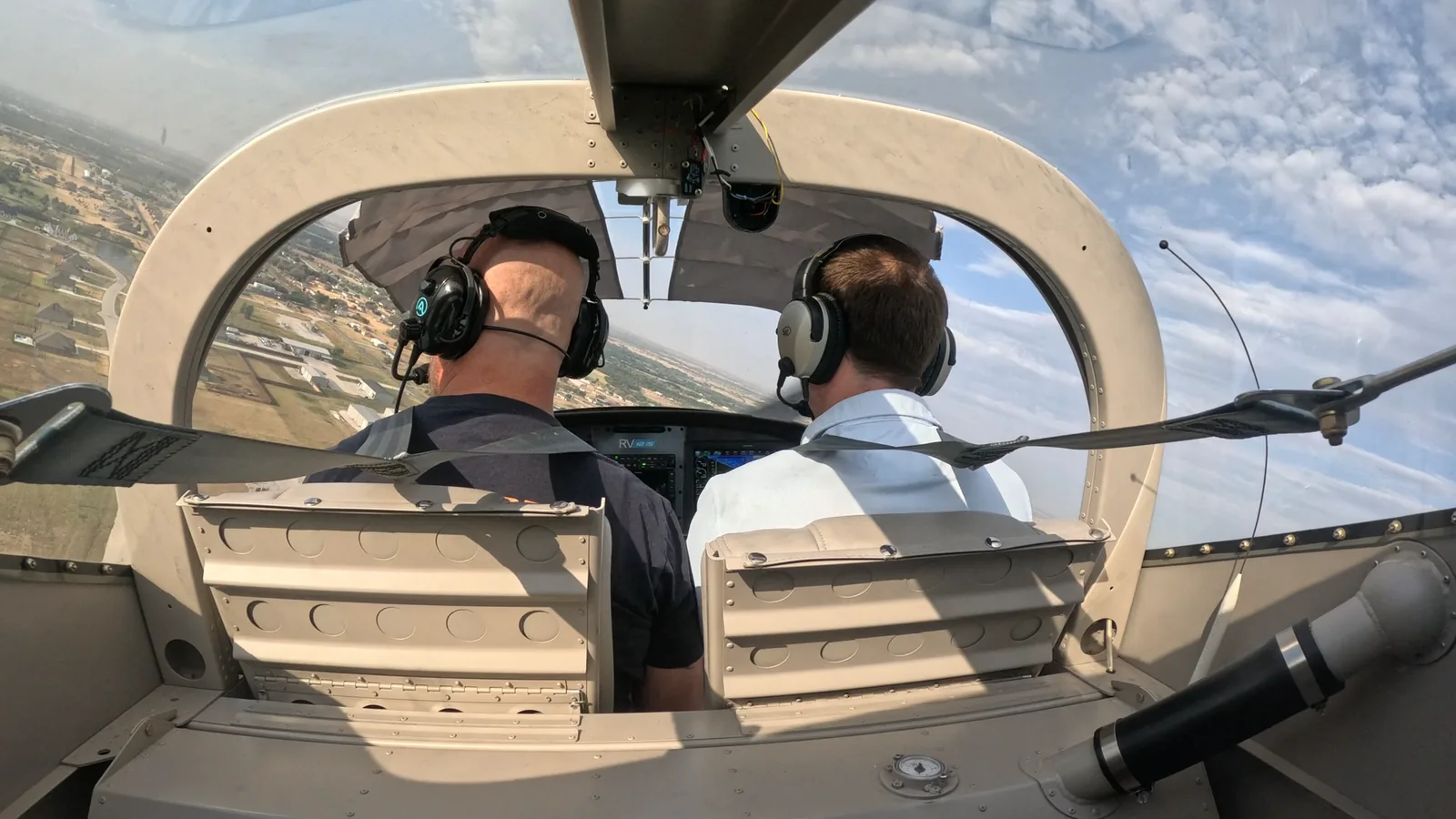
The dual hours your insurance company requires, flown with a certificated flight instructor, often on the trip home.
Ready when your airplane is
Send the tail number, the two airports, and when you need it moved. We will come back with a plan and a price.