Book the shop
Lock in the shop's date first
The ferry is planned around the shop appointment, so confirm that slot before scheduling the flight.

Annuals, avionics installs, paint, engine work. When the right shop is not at your airport, the airplane gets flown there and back.
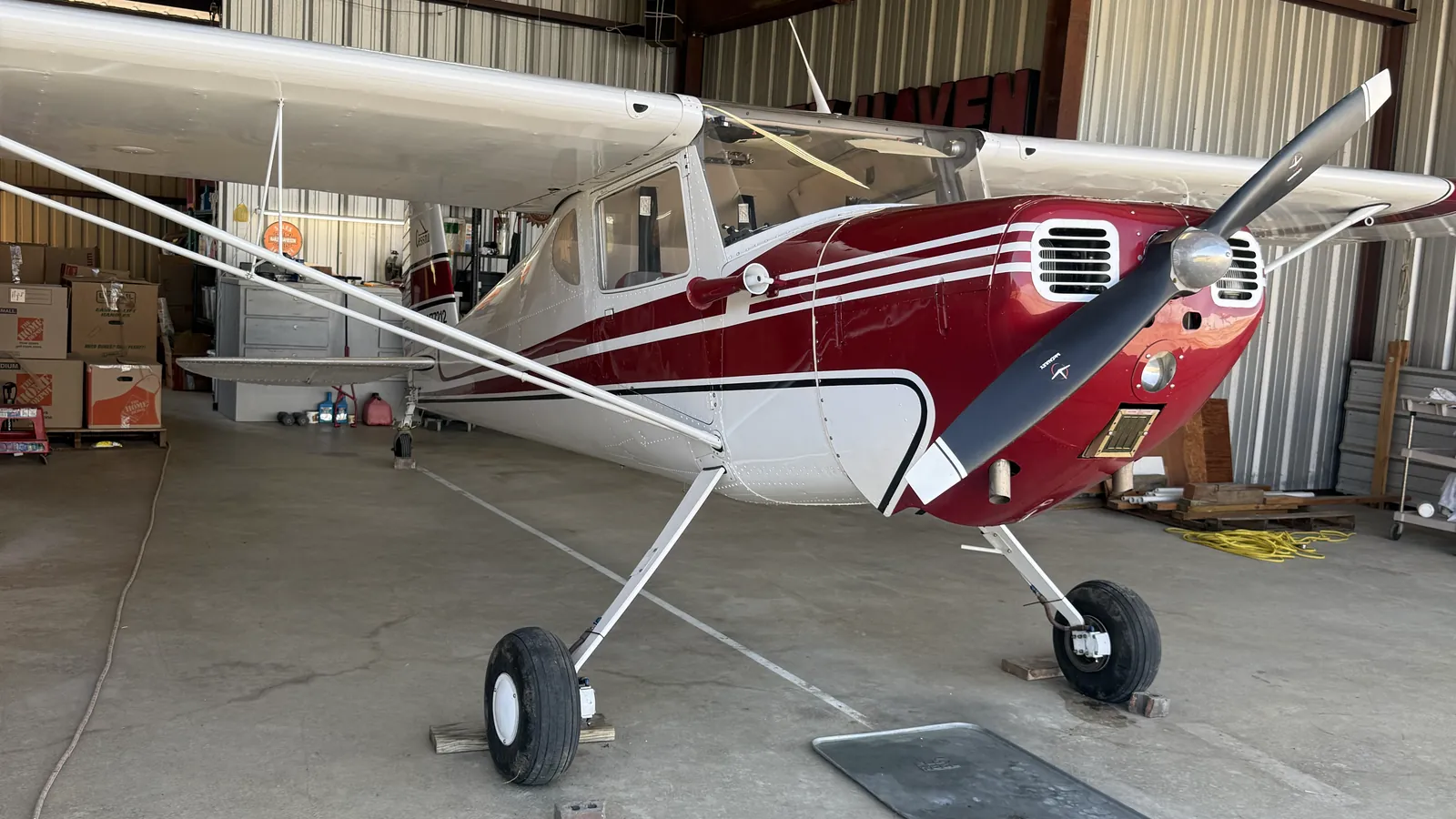
The best avionics shop, paint shop or engine specialist for your airplane is often not on your field. Owners and shops both lose days shuttling airplanes back and forth.
Settle Ferry Group flies the airplane to the shop, and back when the work is done. We fly for owners and for maintenance shops moving customer airplanes.
The ferry is planned around the shop appointment, so confirm that slot before scheduling the flight.
Current annual or expired? Open items? That decides whether a special flight permit is part of the plan.
The annual under 14 CFR 91.409, airworthiness directive compliance under Part 39, and approval for return to service after any recent work under 14 CFR 91.407. On the return leg, the shop's sign-off is what makes the airplane legal to fly home.
Weather permitting, it is delivered to the shop on the date you set.
After the shop returns the airplane to service, it is flown back to your home field.
Often, yes, under a special flight permit. A mechanic inspects the airplane and records that it is safe for the flight, then the FAA or a designated airworthiness representative issues the permit with operating limitations for that one trip.
The full process is in the special flight permit guide, and the short version is on the ferry log.
Yes. A shop that draws customers from a wide area can arrange pickup and return flights on the customer's behalf, and the owner never has to leave home.
The owner's insurance still has to cover the pilot flying the airplane, so that gets confirmed before each trip.
The permit is issued for the airplane's operation, which in practice means the owner, and the owner or their maintenance shop usually handles the application. The process typically starts with an A&P mechanic inspecting the airplane where it sits and making a logbook entry stating it is safe for the intended flight. The application is filed online through the FAA Airworthiness Certification tool, or on paper using Form 8130-6, and goes to the district office covering where the flight will originate, or to a designated airworthiness representative, who may charge a fee but can move faster. The permit comes back with operating limitations for that one trip, and a copy has to be aboard. The ferry pilot needs the permit and limitations in hand before departure and flies within them. Tell us early if a permit is involved, since the paperwork and inspection often set the timeline more than the flight does. The special flight permit guide walks through each step.
It happens often enough that it is worth planning for from the start. The drop-off flight is complete once the airplane arrives, so nothing about the first leg changes. What changes is the return date. The airplane can only fly home once the shop finishes the work and returns it to service, with the required logbook entries made. Discoveries during an annual, such as corrosion, cracked components or an overdue airworthiness directive, can add days or weeks while parts arrive and repairs are completed. Rather than booking the return leg for a fixed date, it works better to confirm when the shop signs the airplane off and schedule the flight home from there. If the delay runs long and you want the airplane home unfinished, ask your mechanic first, since whether it can fly legally depends on what was found and what remains open. Keep the pilot informed as dates move.
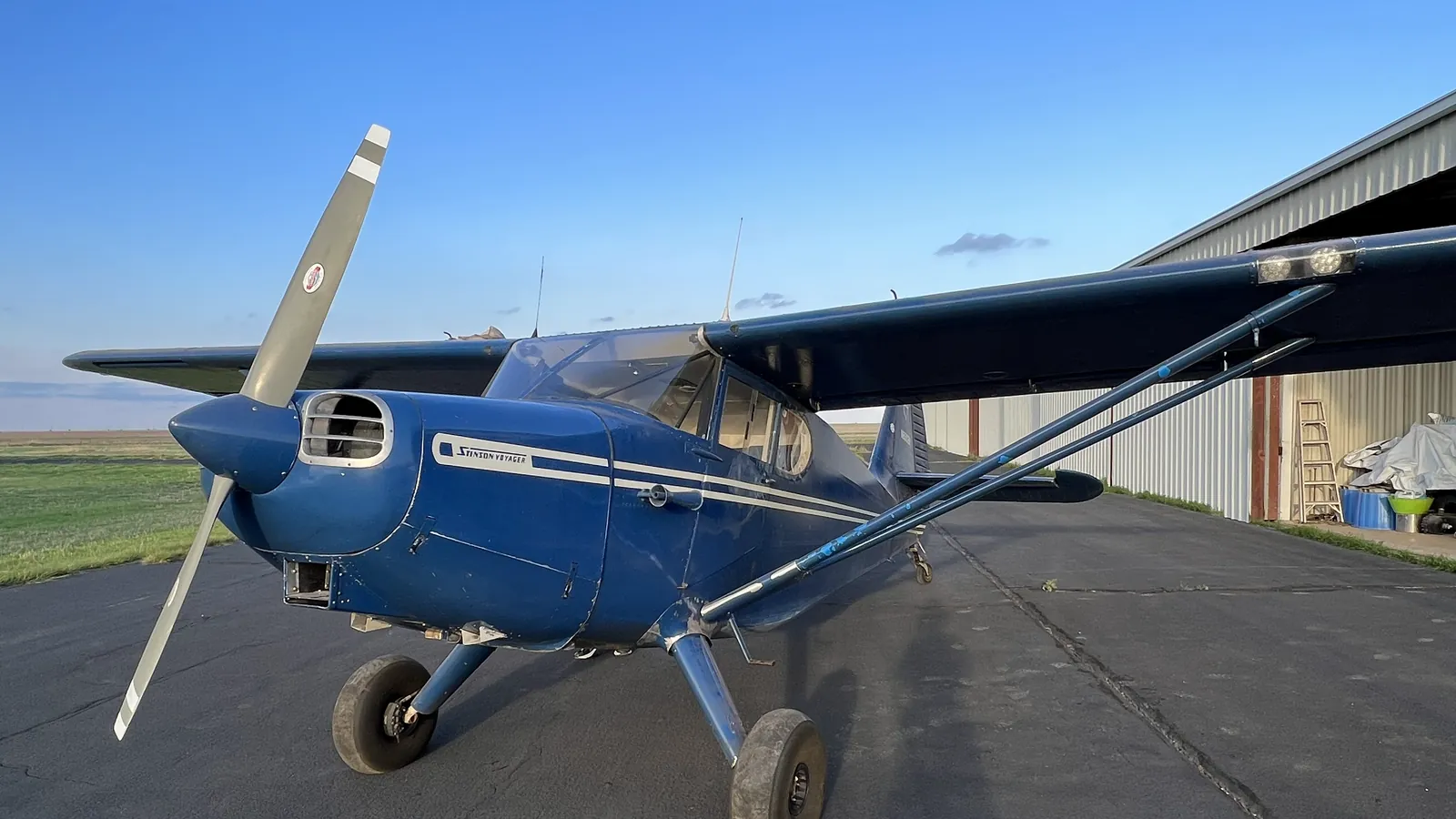
Point to point relocation for piston singles and twins that are legal to fly, anywhere in the lower 48.
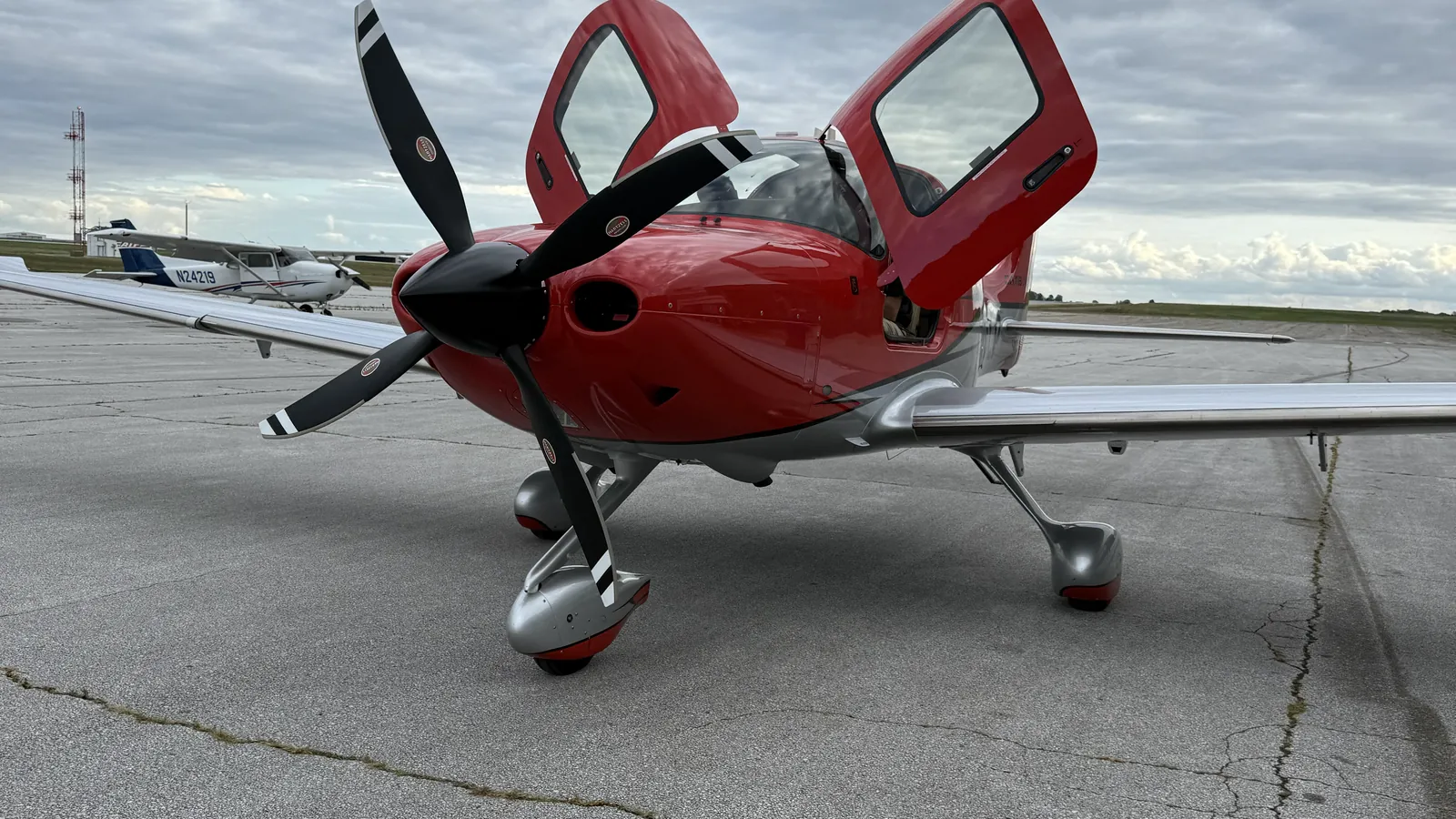
Bought an airplane two states away? It gets flown from the seller's airport to yours.
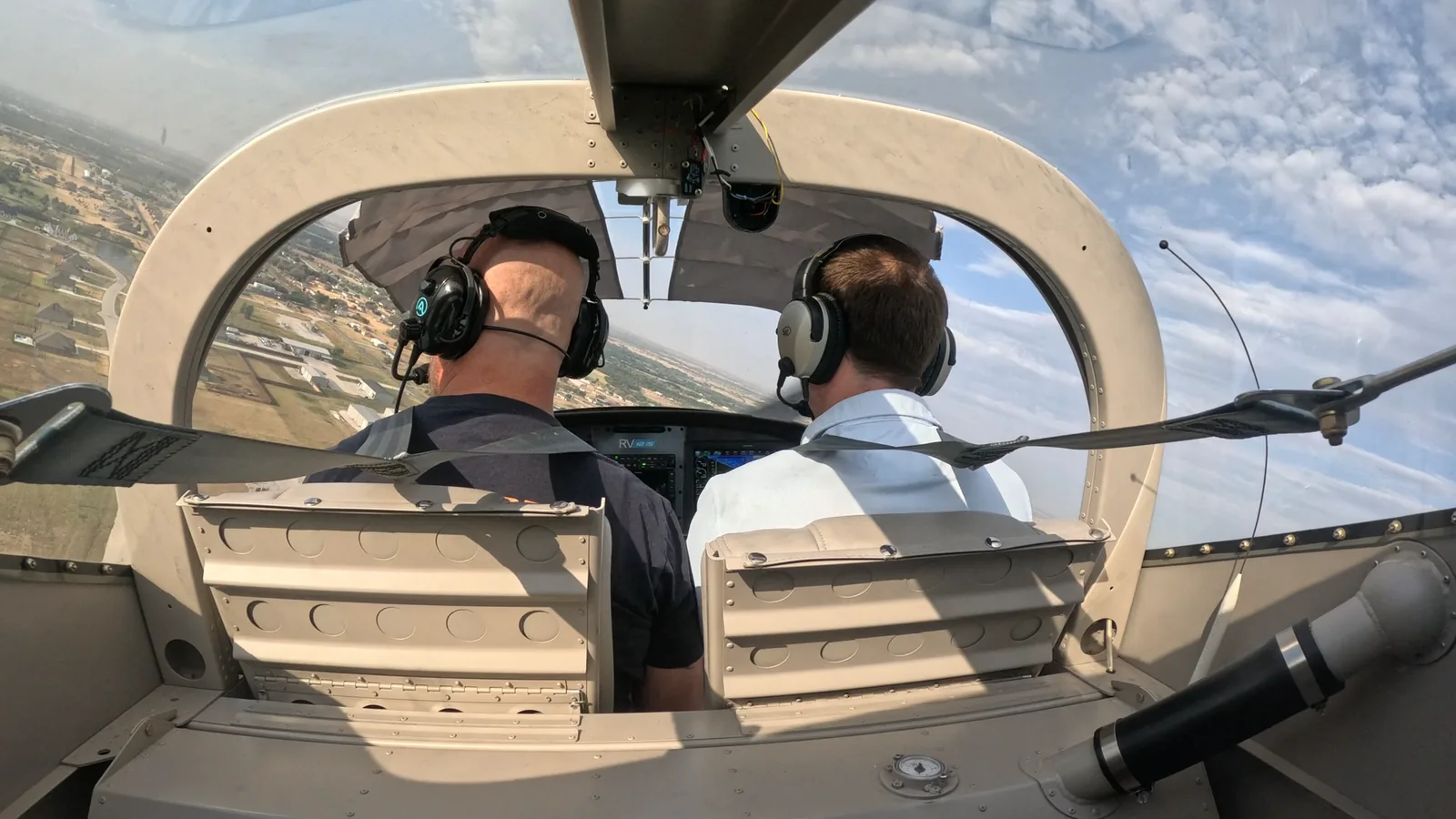
The dual hours your insurance company requires, flown with a certificated flight instructor, often on the trip home.
Ready when your airplane is
Send the tail number, the two airports, and when you need it moved. We will come back with a plan and a price.