Read it
Get the requirement in writing
Ask your agent for the exact wording: hours, make and model, instructor qualifications, and whether it applies before solo flight or before passengers.

Your policy wants dual hours before you fly the new airplane alone. A certificated flight instructor flies them with you, and the trip home can count.
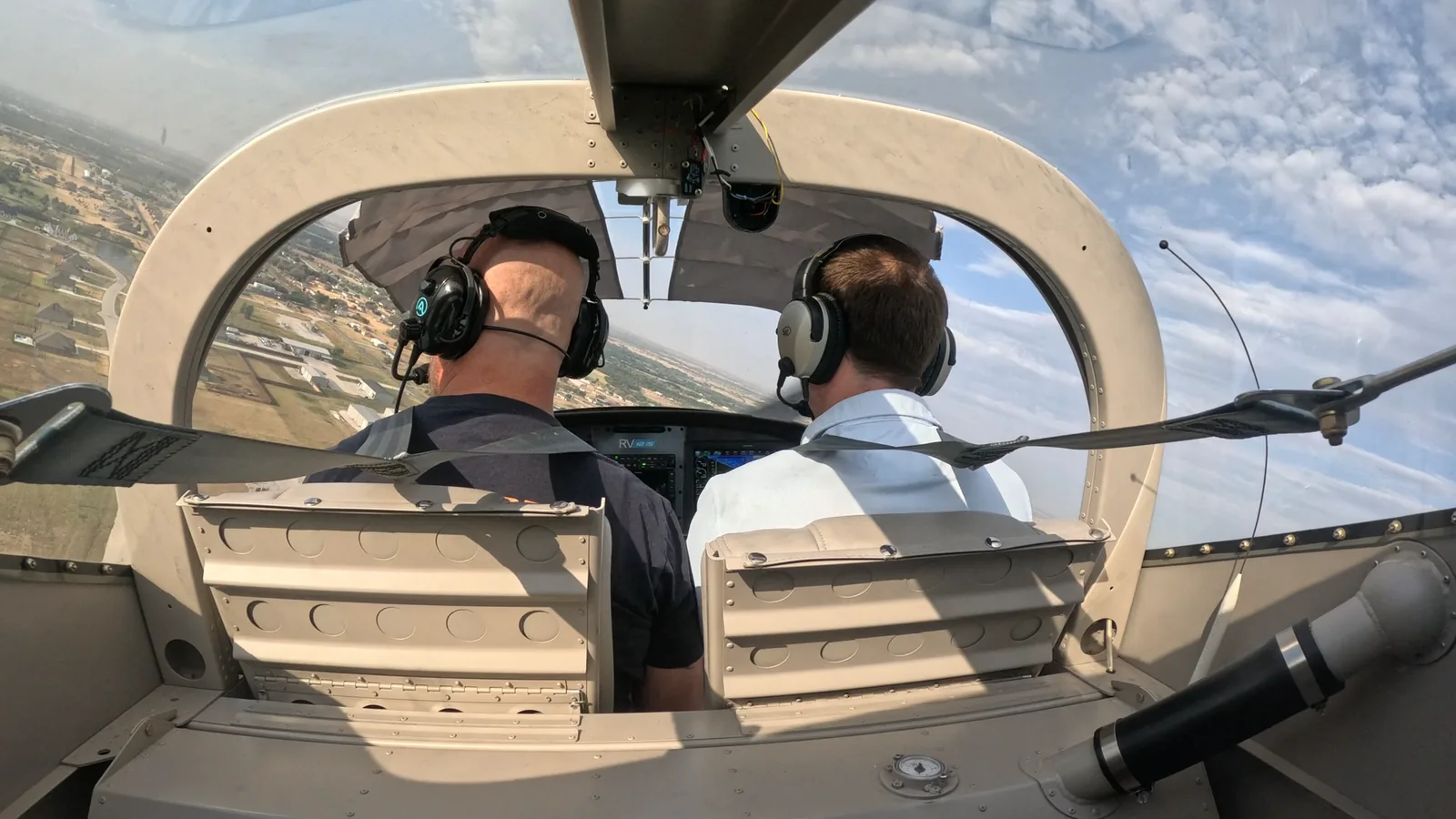
Aviation insurance companies often require dual instruction in a specific make and model before a pilot flies a newly acquired airplane without an instructor.
Settle Ferry Group is a Settle Aviation company, so the instructor comes from an active flight instruction practice. Train at home, or fly the delivery with you in the left seat.
Ask your agent for the exact wording: hours, make and model, instructor qualifications, and whether it applies before solo flight or before passengers.
The plan covers what the underwriter asks for, plus the systems and procedures specific to your airplane.
Dual time in your make and model with a certificated flight instructor, flown locally or during the delivery flight.
Logbook entries for the dual instruction and any endorsement you earned, so you can show the requirement was met.
Yes, when your policy allows it. You fly from the left seat, the instructor sits right, and the airplane travels to its new home while the hours build. A cross-country trip also covers what local training cannot: fuel planning over long legs, unfamiliar airports and real weather decisions.
Pair it with purchase delivery, and read the full transition training FAQs before you book.
Insurance requirements come from your underwriter. Federal requirements come from 14 CFR 61.31, which calls for a one time logbook endorsement before acting as pilot in command of a complex airplane, a high performance airplane with more than 200 horsepower, or a tailwheel airplane.
If your new airplane needs an endorsement you do not have yet, mention it when you request a quote so it can be planned into the training.
It depends entirely on the wording of your policy, so read it closely or have your agent read it to you. Many requirements name a make and model, such as dual instruction in a Cirrus SR22, which can often be met in a similar airplane of that model. Others specify the insured aircraft itself, meaning the hours have to be flown in the airplane listed on the policy. Some differentiate between variants, so time in a normally aspirated version might not satisfy a requirement written for a turbocharged one. Simulator or flight training device time rarely counts unless the policy says so explicitly. The safest assumption is that the underwriter will accept exactly what the wording says and nothing more. Flying the training in your own airplane, often during its delivery, avoids the question entirely, and it has a practical benefit too: you learn the actual panel, equipment and quirks of the airplane you will fly afterward.
The number of hours in your policy is the starting point, and the calendar time depends on how those hours get flown. A requirement of a few hours can often be finished in two or three local sessions, since instruction in a new airplane is usually most effective in blocks rather than one long day. Larger requirements take longer, and weather, instructor availability and your own schedule all shape the pace. Flying the hours during a delivery compresses the calendar, because a cross-country trip home can log a substantial share of the requirement over a day or two while the airplane travels. Some policies also require a set number of takeoffs and landings, which fit naturally into fuel stops and pattern work at the end of the trip. Plan the training before the airplane arrives, so you are not left with an airplane on your ramp that you are not yet insured to fly alone.
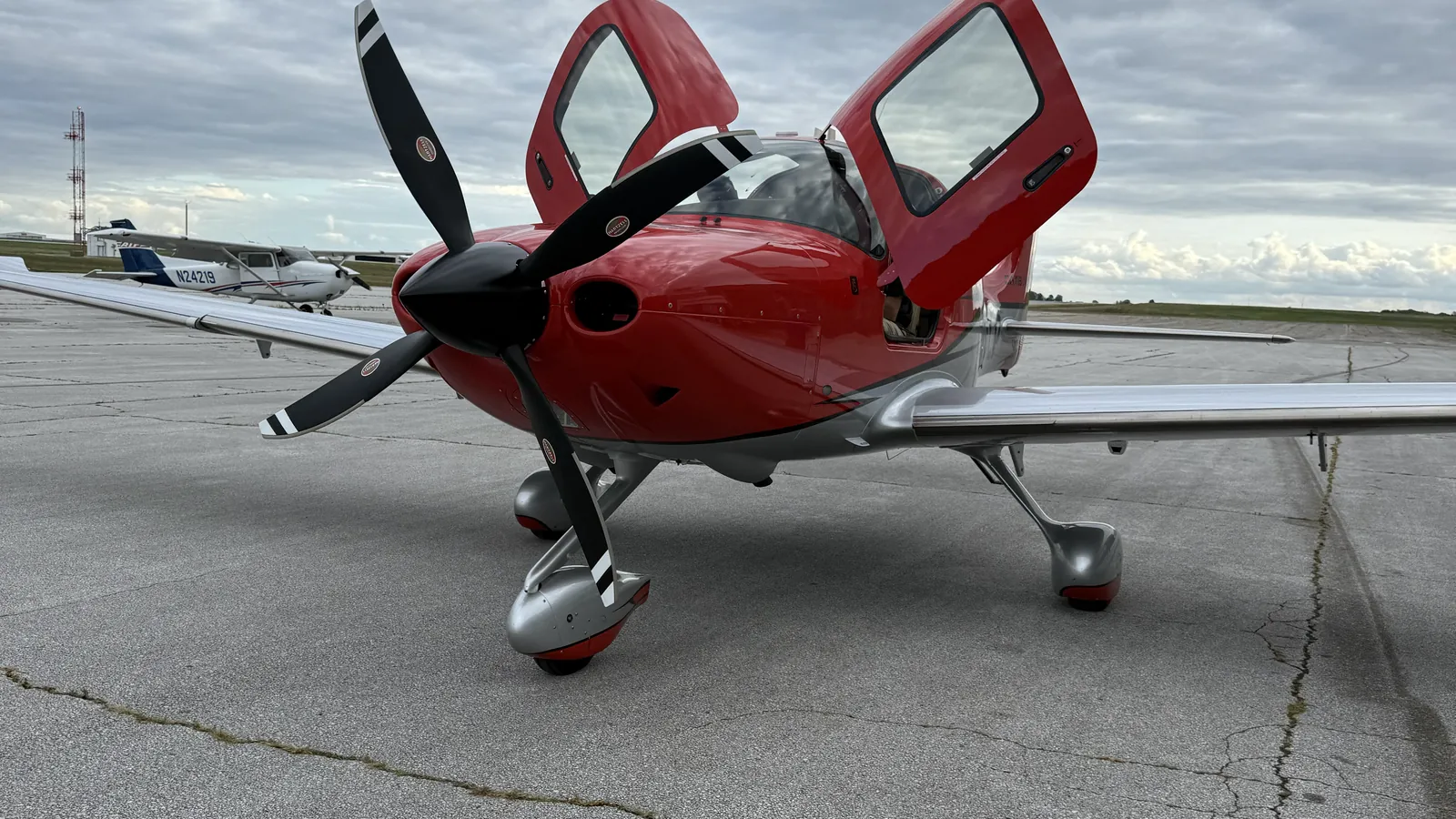
Bought an airplane two states away? It gets flown from the seller's airport to yours.
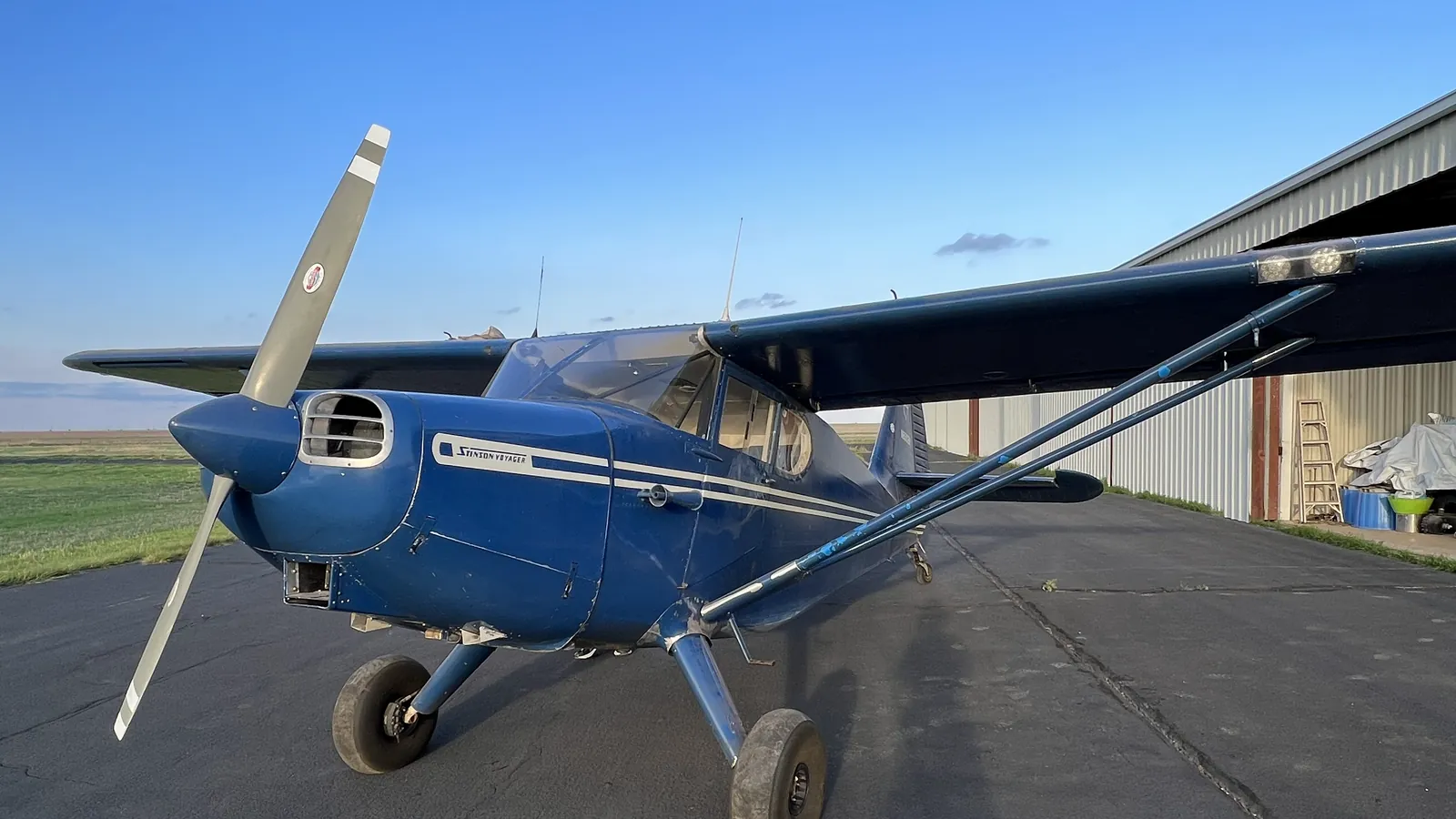
Point to point relocation for piston singles and twins that are legal to fly, anywhere in the lower 48.
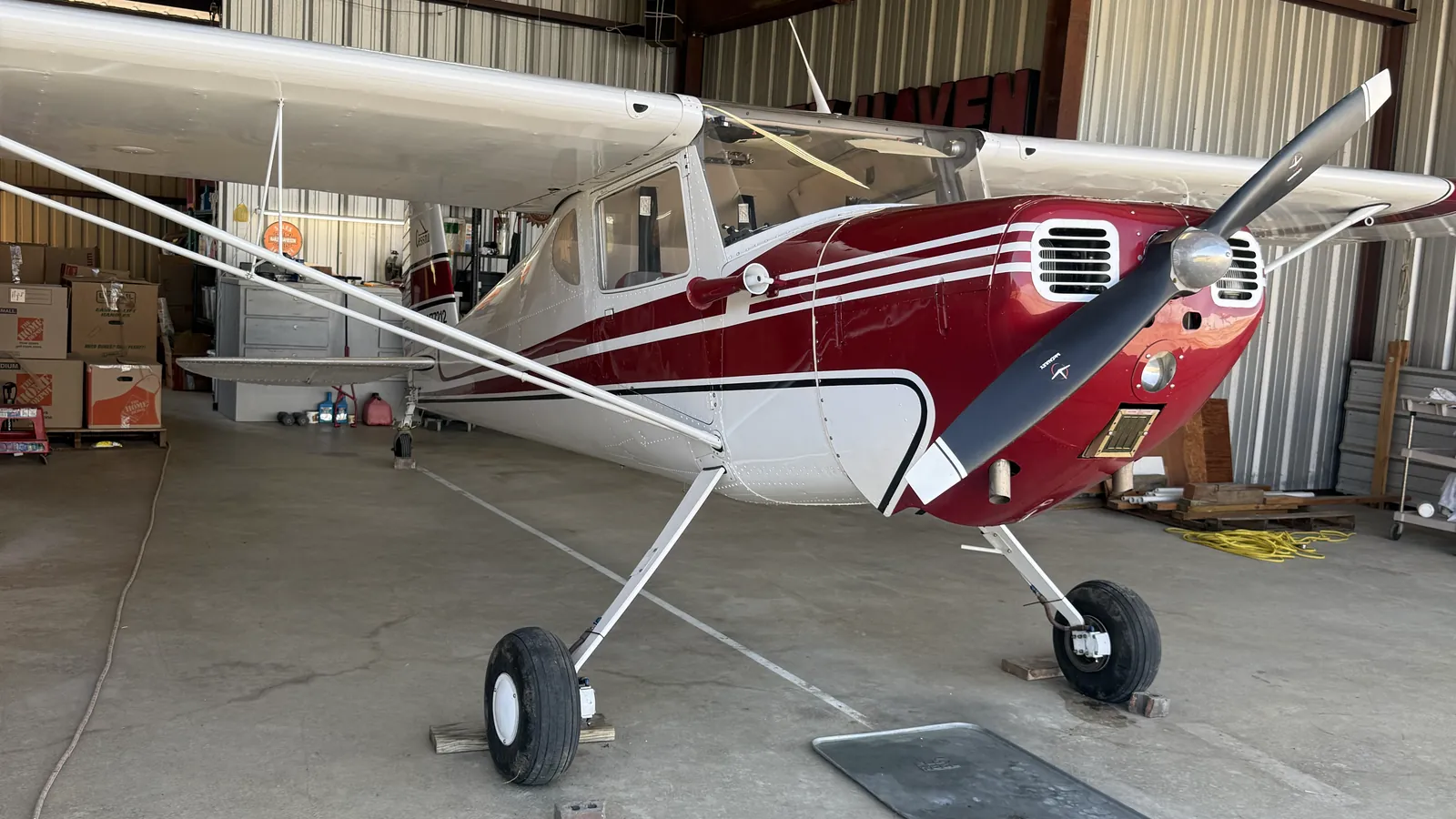
Runs to and from annuals, avionics installs, paint and repair shops, including airplanes flying on a ferry permit.
Ready when your airplane is
Send the tail number, the two airports, and when you need it moved. We will come back with a plan and a price.